Bishnu Pokharel
Students are wealth and strength of the world. Future lies on their head and solder. They are going to be the future leader of every spares in society. Here, we are not going to talk about student’s role in every affair; certainly we talk about student’s role in regional integration. As our webpage suggests, we confine on South Asia and try to dig out certain perspectives on student engagement in integration process.
Without proper plan in present, future will not be bright. Today’s students are tomorrow’s leader that is why if we don’t engage them in future integration process, how come regional cooperation and integration will be possible? No doubt, today’s student engagement will help for integration in future.
South Asia is facing varieties of complex problems among neighbours, mostly driven by political disagreements, disputes and distrusts. There is no ray of hope for political cooperation like European Union (EU) yet. It remained as a romantic reverie, which doesn’t have immediate sign to be turn into reality.
Economic cooperation also dominated by political issues. Two giant members of South Asian Association for Regional Cooperation (SAARC) India and Pakistan couldn’t build up trust each other. They are always reluctant to engage citizens in ‘people-to-people contact’. Other members are also under the shadow of their distrusts. Without resolving political conflict regional cooperation through ‘hard power’ is impossible. But we can take option to strengthen cooperation by using ‘soft powers’. And, student engagement is an option of ‘soft power’.
If we can establish ‘student to student contact’, it will help to create a path of future integration. Contact and connection may create consciousness and cooperation. ‘Student to student contact’ has potential to give consciousness about fallacy about each other and change the mind-set of two or more countries youths. South Asia is suffer by ‘fallacy-mania’ within neighbours because of stereotypical depiction of each-others. Without youth student’s close involvement and engagement in integration process, that ‘fallacy-mania’ can’t be ended.
Today’s students are leaders and bureaucrats of tomorrow, if they study together today that will lead to change the traditional tensions between us. The paranoia and prejudices between us has to be change either this or that way. For that, student engagement in present will be beneficiary in future.
South Asia is a complex, heterogeneous, plural and extremely diverse region. Cultural, social, religious, ethnic and linguistic heterogeneity made South Asia as a unique society in the world. Within diversity and complexity, there are so many commonalities. History, political system, economy, security concerns are some example of common interests.
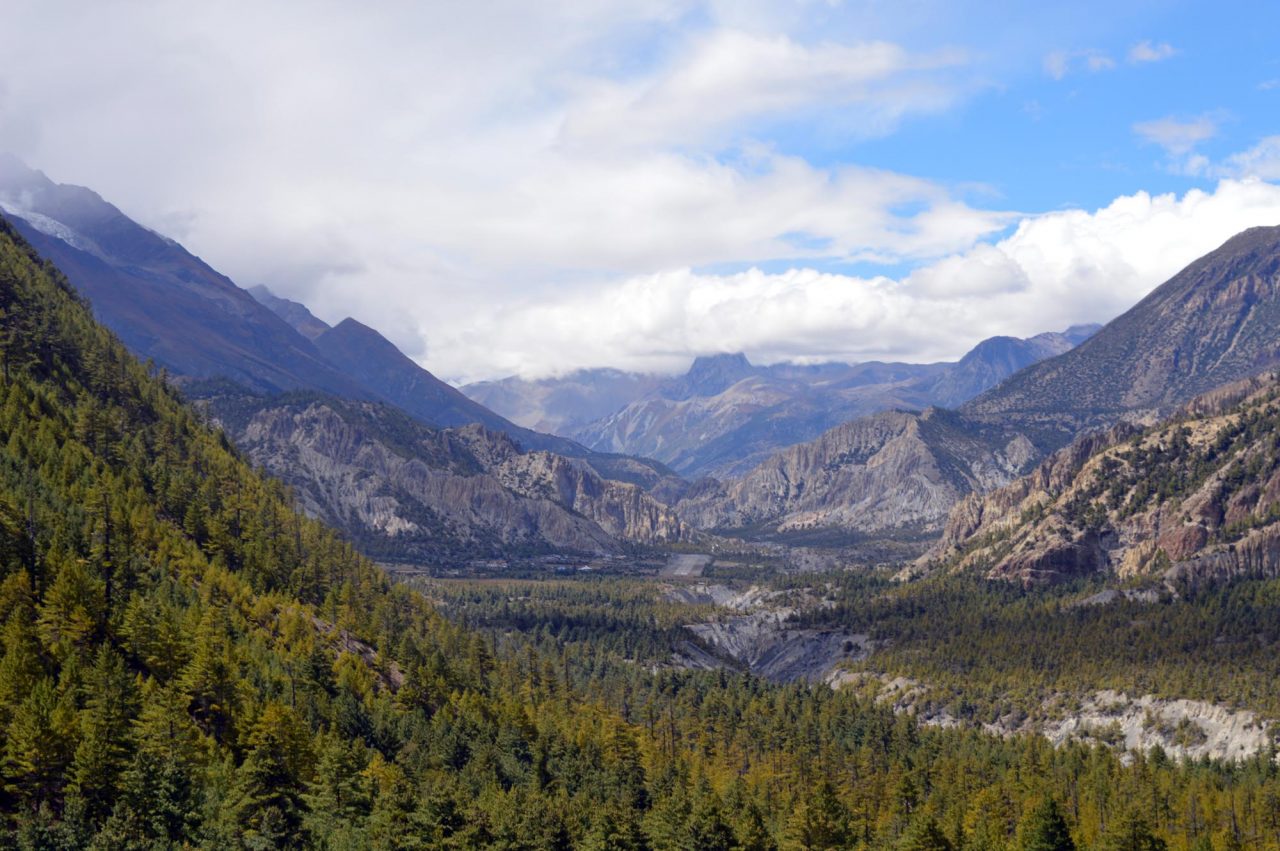
Being a beneficiary of student engagement for integration process, I strive to illustrate some commonality between my home country and where I completed study. I founded much commonality between Kashmir and Nepal after getting into Kashmir valley. Nepal and Kashmir lie in same geographical location, so climate is similar. Both places are mountainous and snow covered mountains are common for us. I couldn’t feel that much different than my country regarding food habit expect Kashmiri’s high consumptions of meat. Certainly, their some breads and others items are quite different for me, but rice and dry vegetable culture almost same.
There are cultural differences in some extend, but if we go into deeper there are not so many different like American and Chinese culture. Currently, Kashmiri culture base on Muslim myths and religious rituals but still many cultural practices are remained, which are very close with Nepali Hindu culture. Even the architects of Muslim Shrines are similar with temples of Kathmandu valley. Sometimes I thought that these mosques are combination of Tibetan, Nepali and Arab architects.
Kashmiri society is not so different than Nepali. Kashmiri people also struggling for improving their lives like Nepali. Economy of Kashmir is depending on agricultural, silk, handicrafts and tourism like our economy. ‘Student to student contact’ and cooperation gave me chance to know about Kashmiri society and culture. My Kashmiri friends also got chance to know about our society and culture.
Nepal and Kashmir can do cooperation in many sectors, like tourism, trade, human resources exchange, education and so on. Both places are important for tourism so we can share experiences and knowledge of each other. Some Nepali education institutes are introduced good hospitality related academic courses. These courses are well known inside and outside the country. Nepali education institutes can offer these courses to Kashmiri students and Kashmiri students can get chance to explore tourism sector more.
Nepal and Kashmir can work together for tourism development and cooperative tourism packages. These types of tourism packages will help both economies. Agriculture and medical education of Nepal is also good. Nepali university can offer education to Kashmiri student in these sectors as well.
To make regionalisation process successful, we have to explore new fields and sectors of cooperation. We won’t be successful in integration without exploring news areas and only following traditional way. Student exchange, scholarships, common courses, cultural exchange and idea sharing can be new ideas of integrations. These areas will provide contacts between ‘women to women’, ‘children to children’, ‘teacher to teacher’, ‘farmer to farmer’ and so on. The engagement of student in regional integration process in South Asia has to be focused. That can give sustainable future integration.
 Voice of South Asia